June 28, 2013

Release Cues 101: Turtle! Catsup! Bongo! B-R-E-A-K!

Terrie Hayward
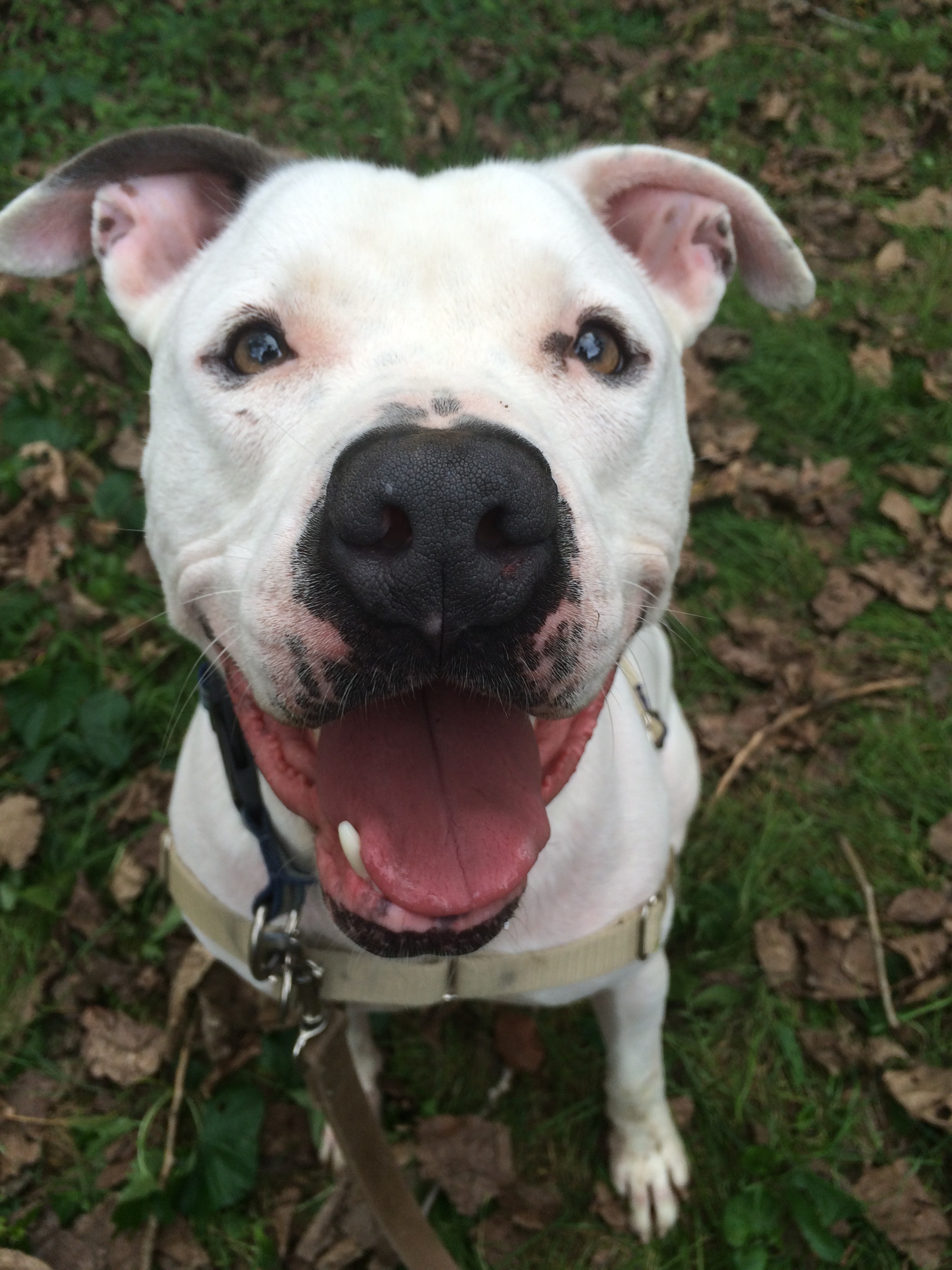
Sam focused sitting-awaiting release cue!

Sam focused sitting-awaiting release cue!
Sam is available for adoption via arfrincon.com!

Adding a release “cue” to your behavior gives your dog the message that the behavior that you were seeking is complete and that they are free to move.

You can use any word that you like. Common release cues are “free,” “okay,” “release,” or, the one that we use, “break!’

An example of the use of a release cue is if you have asked your dog to sit. The “sit” should remain in place until you provide the release cue (in our case, “Break!”) which means that the dog can move from the sit position.

A practical application of a release cue is before your pup is allowed to exit the car. This is a safety feature as you can ensure that you have your leash hooked on and the coast is clear (of cars, or any other dangerous distractions) before your dog exits the vehicle. It is a good idea for your dog to know that the act of you opening the car door is his cue to look to you for the release cue in order to know that it is time to get out of the car.

You can play a game to practice your release cue with your dog. You may put your dog into a sit, step back,  and then shout out odd, random words (like “turtle,” “catsup,” or “bongo,” for example) before finally giving your release word which would allow your pup to move. Most dogs sit eagerly awaiting the “right” cue & enjoy this game. When playing, don’t forget to CT (click and treat) for the correct response!

(photo thanks to Laura McLaughlin www.photographyLAM.com)

May 27, 2013

Adoption is the Best Option!

Terrie Hayward
Travel

Travel

If you are like me, you recognize that adopting an animal saves a life! Here in Puerto Rico, there is a serious over population problem. As such, many animals are adopted to the continental US.

Rescue groups cultivate relationships with no-kill shelters in the States and also do direct adoptions to loving forever families.

Whilst browsing online or while here for a visit, if you find a sweet dog or cat who melts your heart and you would like to adopt, this post will shed light upon what is involved.

Most rescue groups  function on donations and via a volunteer workforce and generally an adoption fee or donation is requested.

In order for an animal to be ready for adoption they must be healthy. Often times this means, a full set of vaccines + Rabies, de-worming, spay-neuter, and curing other skin aliments or injuries. Once the animal is set to go, they will require a travel health certificate. This is procured via the vets office and is good for ten days from the date of travel.

Flight reservations are made next. The three options for travel are: carry-on (if the animal is small enough), checked baggage (if there is an “escort”-ticketed passenger-on the flight), or cargo (more expensive, but with a PetSafe program and no temperature restrictions dictating when animals can fly).

The dog or cat also requires a crate or soft-sided carrier (carry-on only) to travel in.

Arrangements are made for transportation at both ends and the pet gets ready for their trip!

As a re-cap, associated costs may look as such:

  • spay-neuter + vaccines $200
  • travel documents $25-40
  • flight $150 (carry-on)-$400 (cargo)
  • crate-carrier $40-150 (small soft bag carry on-largest size crate)
  • fee to “pet travel agent” for all of their hard work, information, and logistics coordination $100+

However, the life that you save is priceless. And, as the saying goes, “You may not change the world by rescuing that one dog or cat, but you will change the world for that dog or cat.”

May 22, 2013

Time to Tug or Trot?

Terrie Hayward
Tulip is wearing a "Gentle Leader" head halter in this photo. (she also has her rescue dog ARF-arfrincon.com-ID tag on)

Tulip is wearing a “Gentle Leader” head halter in this photo. (she also has her rescue dog ARF-arfrincon.com-ID tag on)

Have you ever decided to take your dog for a walk or a run but your dog had other ideas? Does your dog, whilst walking along think it’s a good time to play tug of war with the leash? What is the best thing to do in this scenario to stop this unwanted behavior?

If your dog thinks that the leash is a tug toy you should first stop your walk or run and stand still. Next, hold your dog by their collar right up against your thigh (I use my left side). Finally stay in this position without talking or moving. Your dog will eventually (usually sooner rather than later) get board and drop the leash from his/her mouth. Then you can calmly resume your treck. What if it happens again? Repeat!

Remember, consistency, calm, and patience will yield rewards. Once your dog is walking or running along nicely you can praise them with a “good job!”

Need additional help with walking politely? PAW can help! 787.23.6736

(next Dog Manners class starting June 4th in Rincon-sign up today!)

Ready for better dog or puppy behavior?

Fetch the latest training intel–straight to your inbox!