
Can Dogs Move Past Separation Anxiety? What Every Pet Parent Should Know
If you’re wondering whether it is possible for a dog with separation anxiety to feel more comfortable when home alone? The answer is yes. With patience, consistent training, and the right support, many dogs learn to feel calm and confident when left home alone. While every dog’s recovery journey is different, long-term success is absolutely possible.
Separation anxiety in dogs is a more common behavioral issue than you might think. Dogs experiencing separation anxiety may bark excessively, pace, pant, destroy household items, or have accidents when left alone. The encouraging news is that these behaviors can improve through a structured behavior modification plan designed specifically for your dog’s needs.
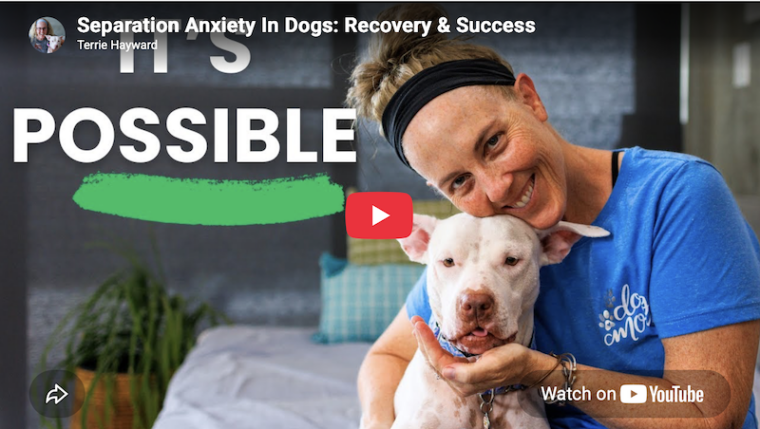
What Does Recovery From Separation Anxiety Look Like?
One of the biggest misconceptions about separation anxiety is that recovery means the problem disappears forever. In reality, recovery means your dog has developed the confidence and coping skills to remain relaxed while home alone.
Just like people, dogs can experience setbacks. A move to a new home, changes in routine, travel, or other stressful life events may temporarily increase anxiety. These regressions don’t mean your training has failed—they’re simply part of the recovery process. Returning to your dog’s training plan for a short period often helps rebuild confidence.
The goal isn’t perfection. It’s helping your dog develop lasting emotional resilience so they can comfortably handle being alone in everyday situations.
How Long Does Separation Anxiety Relaxation Take?
One of the most frequently asked questions is, “How long does it take to treat separation anxiety in dogs?”
The honest answer is that there is no universal timeline.
Every dog progresses differently, and several factors influence progress, including:
- How long the dog has experienced separation anxiety
- The severity of the anxiety
- How consistently the training plan is followed
- The dog’s individual temperament
- A team approach often including a veterinary behaviorist and appropriate medication
- Whether additional behavioral challenges are present
Some dogs begin showing improvement within weeks, while others require several months of consistent work. Rather than comparing your dog to others, focus on steady progress and celebrating small victories.
Factors That Can Affect Your Dog’s Progress
Separation anxiety doesn’t always occur by itself. Many dogs have additional behavioral concerns that can influence their recovery.
For example, some dogs are uncomfortable around unfamiliar people or other dogs, making options like daycare or pet sitters less practical. Others may struggle with confinement anxiety, noise sensitivity–two common comorbidities of separation anxiety. Or your dog may struggle with generalized fear which may require additional management and training in order to increase relaxation.
Addressing additional underlying challenges alongside separation anxiety often leads to better long-term results and more realistic expectations for calm.
Why Desensitization Training Is So Important
Successful separation anxiety training focuses on helping dogs become comfortable with alone time as well as all of the events that happen prior to you leaving the house.
Many dogs begin feeling anxious long before their guardian walks out the door. Simple actions like picking up keys, putting on shoes, grabbing a purse, or locking the front door can become powerful triggers.
A specific desensitization protocol not only works on duration, but also gradually teaches your dog that pre-departure cues (PDQs) don’t automatically indicate imminent and “scary” alone time. Depending on your home’s layout, the process of tiny approximations to help your dog feel relaxed and comfortable with PDQs may involve multiple small and varied steps, such as opening doors, walking to the garage, opening the car door, or briefly stepping outside before returning.
Because every home environment is different, every training plan should be customized to fit your dog’s specific routine and triggers.
Early Intervention Can Speed Relaxed Results
Dogs that receive vet and training help shortly after separation anxiety is recognized may make progress more quickly than dogs who have been practicing anxious behaviors for years.
When behaviors like barking, pacing, panting, destructive chewing, or house soiling have been repeated over a long period, they can become well-established habits. While these dogs can improve, their path to relaxation may require more patience and consistency over a longer period of time due to the learning history involved.
The key is starting as soon as possible. Early interventions give your dog the best opportunity to build new, healthy behaviors before anxiety becomes deeply ingrained.
Professional Support Can Make All the Difference
While families may begin working on separation anxiety independently, guidance from experienced professionals can dramatically improve outcomes.
A qualified behavior consultant and trainer specializing in anxiety can create a personalized behavior modification plan based on your dog’s unique needs. Often, a veterinarian or a veterinary behaviorist may recommend medication alongside training to reduce anxiety and make learning easier.
Working with a professional team ensures you’re addressing both the emotional and medical aspects of separation anxiety, giving your dog the best chance for lasting success.
Frequently Asked Questions
Can dogs fully recover from separation anxiety?
While we can’t “erase” learning history we can rewrite the path towards relaxation. Many dogs learn to stay home alone comfortably via a specific desensitization protocol/often alongside vet prescribed medication. Medication allows us to gain traction on a behavior modification protocol for the best route towards success.
How long does separation anxiety training take?
There isn’t a standard timeline. Progress depends on your dog’s history, the severity of their anxiety, the consistency of training, appropriate medication intervention, and whether other behavioral challenges are present.
Should I punish my dog for separation anxiety behaviors?
No! Behaviors like barking, destructive chewing, or accidents are signs of emotional distress—not disobedience. Punishment, in any instance, only erodes trust and increases anxiety and distress for your dog.
The Bottom Line
Improved relaxation anxiety rooted in separation/alone time is a journey, not a race. Every dog progresses at their own pace, but with patience, consistency, and the right support, many dogs learn that being by themselves can be safe and stress-free.
If your dog struggles with separation anxiety, don’t lose hope. By following a structured training plan and seeking professional guidance, you can help your dog to build confidence, reduce anxiety, and enjoy a happier, more relaxed life—whether you’re home or away.
###
As a Certified Separation Anxiety Specialist I specialize in helping dogs overcome separation anxiety through evidence-based positive reinforcement. With over 20 years of experience, my dog training and behavior modification focuses on science-based, force-free methods to help pet parents build trust and clarity with their animals.
NEED MORE PERSONALIZED HELP? I offer one-on-one consultations to tackle your dog’s specific issues. Book a session here: https://positiveanimalwellness.com/virtual-dog-training/