
dogs

December 8, 2013

What it All Looks Like-Getting Your Dog to “sit” with Positive Training

Terrie Hayward

Day SEVENTEEN-21 Day Positive Training Kickstart Challenge

Today we’ll be talking logistics. We’ll break down how to actually train a behavior using positive reinforcement & what the whole process looks like.
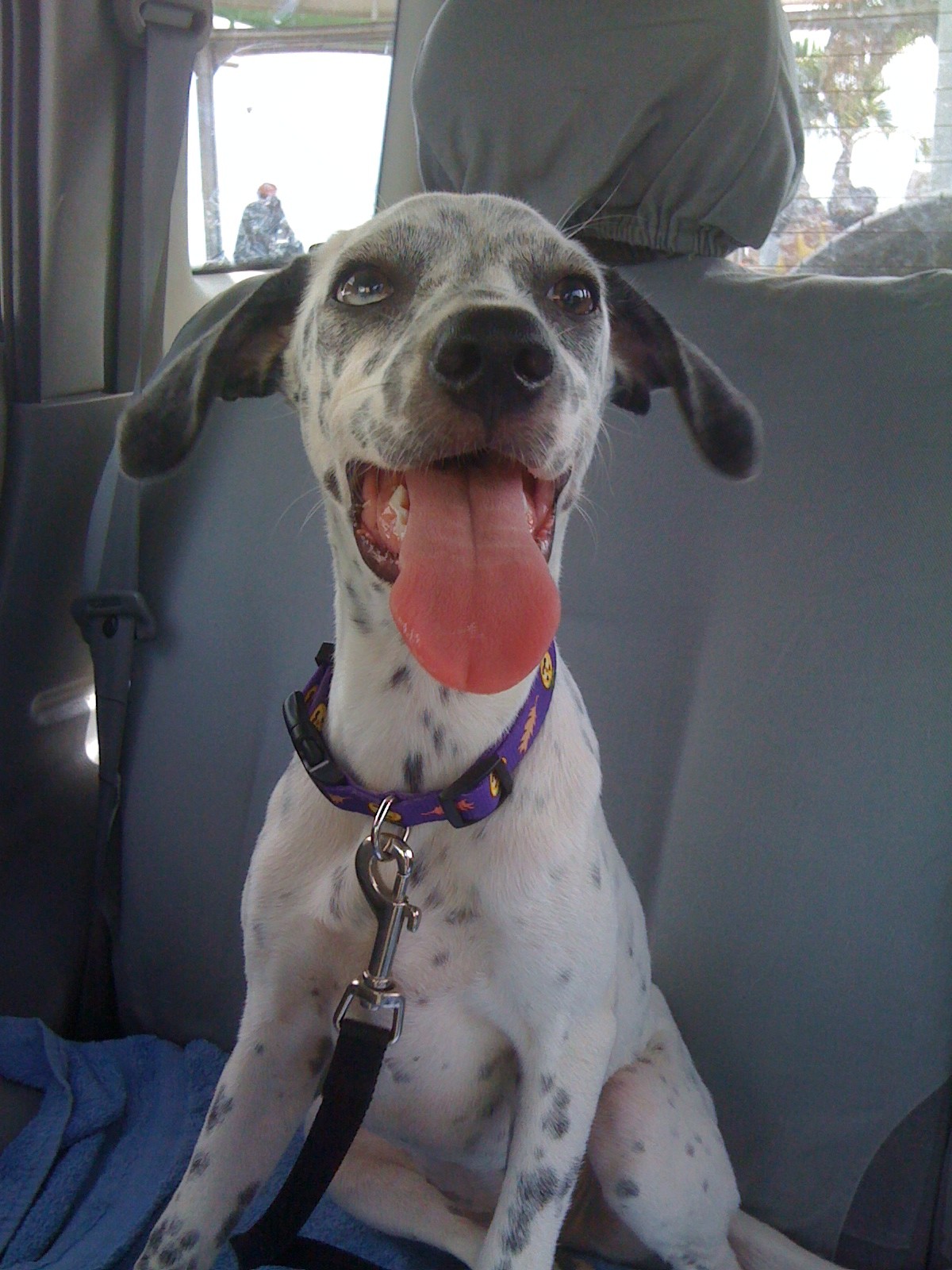
pup sitThere are two ways to begin when training a dog to “sit.” One is that we can “capture” the behavior & the second is that we can “shape” the behavior.

We’ll discuss capturing it as it is a behavior that dogs often might do & this allows us to catch them doing it.

We will begin by standing near our dog. The moment the dog sits we will use a marker (clicker for our explanation) & then reinforce with a tiny bit (as in pea sized) of something tasty.

Then, take a step back. Your dog will likely follow you & if you just be patient & wait (jumping up earns nothing..just turn & then turn back, but ignore) he will probably sit again. Once more just as he is sitting, click & then treat. Repeat the back up, again, just one or two steps & stand still & wait for your dog to figure it out. Then again, when he sits, be sure to mark & reinforce!

ACTION: Let’s try it! Gather your dog in a safe, quiet, and low distraction area with some tiny (precut) REALLY tasty (in the dog’s opinion, not yours) bits of something yummy & a clicker (you may also use a verbal marker, like “yessss” or “goood!”).

Be patient. Wait for a sit & then mark & reinforce! Back up & see if your dog sits again. Mark & reinforce. Try to do it many times-keep up the great work!
December 7, 2013

Learn to Earn (Vs. Escape) Training Methodology

Terrie Hayward

Day SIXTEEN-21 Day Positive Training Kickstart Challenge

Would you prefer to have me reward you every time that you do something correctly or wait until you do something wrong & then punish you? This is basically the difference between positive reinforcement vs. other training ideas.

Learners who are encouraged when they do things right want to think up new ways to do the right things! They get creative in exploring & guessing just what things might earn them good behavior rewards.

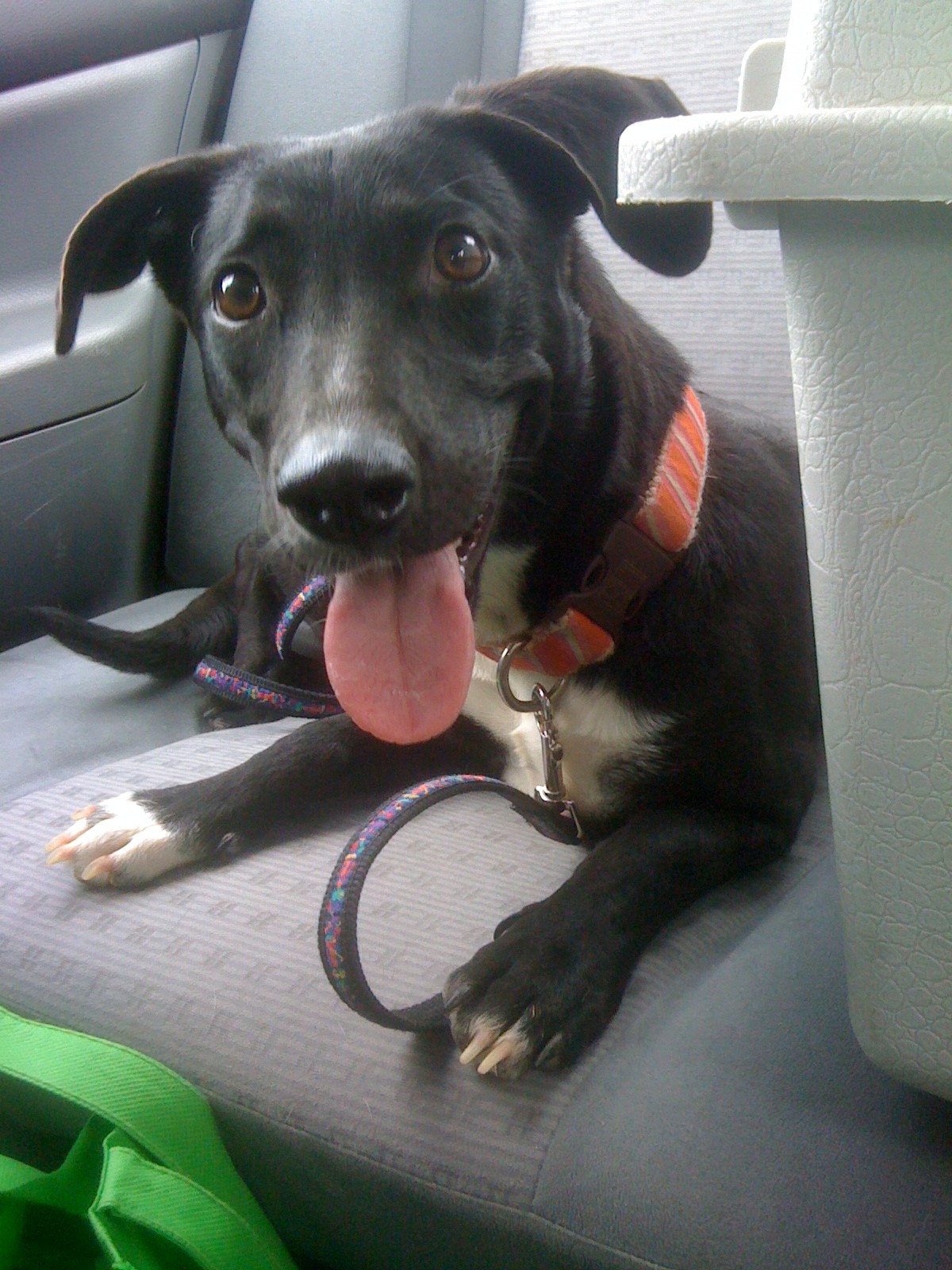
Pup carThe flip side of this coin is when learners are corrected for doing things wrong. Not only is this approach disheartening (imagine only getting attention when you make a mistake & then are punished for it), but it discourages all learners from trying & encourages apathy towards learning.

Instead of waiting around for errors, try to catch your dog/parrot/horse doing some behavior that you can reinforce! Help them “learn to earn” & build confidence & eager learners!

ACTION: Watch for a learner in your house (can be your dog, a child, a spouse, another animal) doing something that you like & then praise/reward/reinforce this behavior. Try to do this three times & watch the reaction of the learner!

December 6, 2013

Physiological Results of Punishment Based Training

Terrie Hayward

Day FIFTEEN-21 Day Positive Training Kickstart Challenge

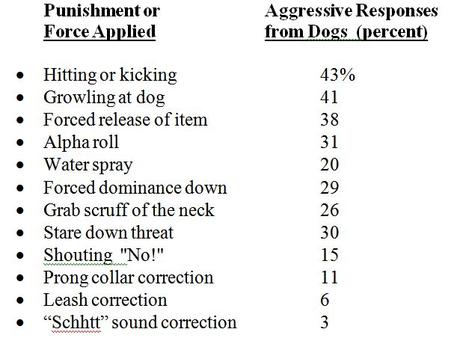
When it comes to training, the biggest issue is that punishment, discipline, & corrections can lead to aggression, apathy, generalized fear, & escape/avoidance behaviors. This isn’t a list of things that most folks want for their companion animals.

punishment

Aggression can be the result of aversive techniques as learners become frightened & frustrated.
Apathy may be the result of punishment as learners realize that “it’s just no use” & thus shut down…to all learning.
Generalized fear is a potential side effect of corrections as learners might always be frightened of “men” or “people wearing hats” based on interactions with the people imparting the corrections.
Finally, escape/avoidance may come about as a result of discipline techniques as the learner learns to fear & attempt to avoid the person with whom they regularly associate punishment.
Psychology Today reports that although positive reinforcement techniques have continued to become widespread, the use of confrontational methods unfortunately also continues to grow in part as a result of popular culture’s dissemination via television shows.

Hopefully as you are reading & learning your way through this challenge you will confirm your commitment to science based training & teaching which nets maximum results & is fun for the learner as well!

ACTION: Make the choice today to use a positive option when training &/or teaching! Decide to reinforce good choices rather than punish bad ones & see how much better both learner & coach feel 🙂

Ready for better dog or puppy behavior?

Fetch the latest training intel–straight to your inbox!