November 27, 2013

Positive Training Reinforcers? Who Says So?

Terrie Hayward

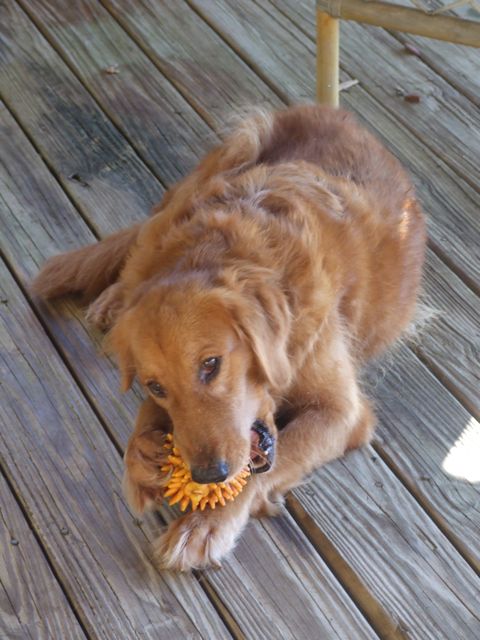
MiloDay SIX-21 Day Positive Training Kickstart Challenge

A reinforcer is something that the learner finds of value & something that they are willing to “work for.”

The reinforcer is in the eye of the beholder. In other words, if you are looking for something that your dog finds reinforcing, it’s not up to you to decide if it is reinforcing, it is up to your pup.

For example, If I offered you a brand new car if you “sit” for me, you might decide that that new vehicle is a pretty strong reinforcer & you may decide to sit in order to get the car. Whereas if I made the same offer to my dog, Milo, she is unlikely to think that a brand new car is something worth sitting to get. However, if I were to offer Milo big chunk of chicken if she sits, she may find the chicken appealing enough to work for. Again, the learner who needs to work for the reinforcer is the one who decides whether or not it’s worth it!

ACTION: Make a list of 20 things that are reinforcing to your dog. We’ll start you off with some examples. If you think that your dog enjoys them, add them to your list. Remember, reinforcers can be food (like cheese or chicken), environmental (like going for a ride in the car or playing fetch), or social (like a belly rub or hanging out by you while your are working).

Don’t miss one day of the kickstart! Sign up for updates below.


November 26, 2013

Set Up For Success!

Terrie Hayward

Successful  Dog

Welcome to day five of the challenge. If you see the value of positive based training but have some questions about how to begin, hopefully today’s example will set you on the right path.

Let’s take the approach that we want to set our learners up for success right from the beginning. With training we want to keep in mind the three “Ds”:

Distance
Duration
Distraction

Distance is the amount of space between your dog & something they may need to interact with (like another dog or a bicycle or a squirrel). Duration is the amount of time that we are asking for that behavior to stay in place (like a sit, but holding that sit for more than just a quick second). Finally, distraction refers to the amount of activity or other people, sounds, objects, etc. that are directly around whilst asking for a behaivor (for example, are you in your kitchen at home or at a busy street with many busses, cars, people, & possibly other dogs all around).

Now then, whenever we increase one of these “Ds” then we need to start by making the behavior that we are asking for a bit easier & begin with tiny steps towards increasing the difficulty level.

For example, if asking for a behavior in a busy dog park vs. at home in your quiet kitchen we would want to take a few steps back & request something less complex to start. In doing so we make it easy for your dog to get it right. Thus, setting them up for victory!

ACTION: Find a quiet spot with little distraction & see if you can ask your pup to do something simple that you are pretty sure they know how to do. Make certain that there is not a lot going on & that they are in a position to easily accomplish what you would like to see. (An example might be asking your pup for eye contact with you. Start by saying their name & praising when they look at you).

Don’t miss one day of the kickstart! Sign up for updates below.


November 25, 2013

Cultural Fog & Labels. What’s in a Construct?

Terrie Hayward

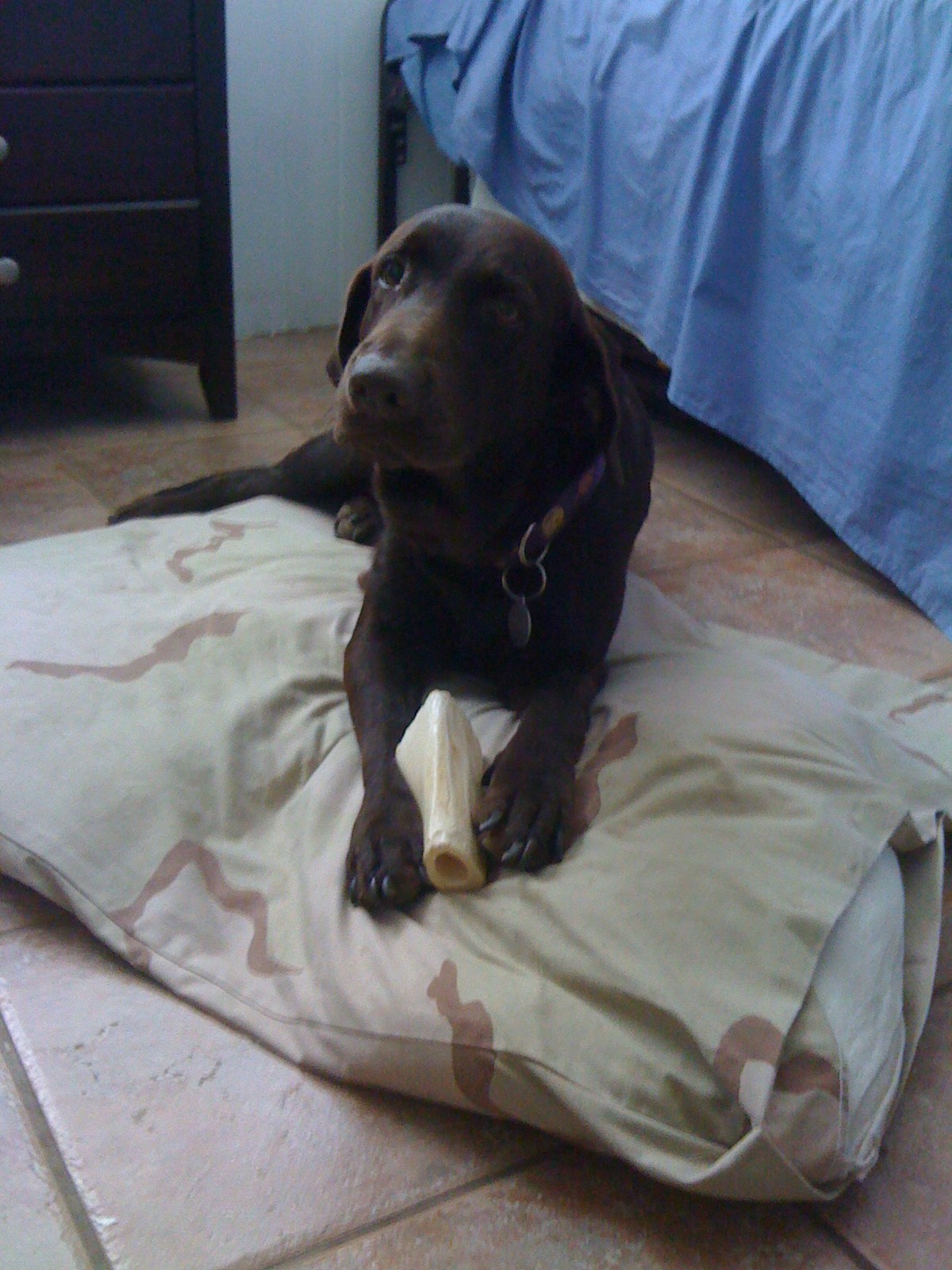
ClooneyDay FOUR-21 Day Positive Training Kickstart Challenge


Have you ever been present when a person’s dog doesn’t do as asked & then heard someone say, “Oh, he’s stubborn!” Or, “My dog’s not very smart!” Or “He’s just trying to be dominant!” The words “stubborn,” “smart,” or “dominant” are labels. They are what is know as “constructs” that folks use to describe behavior. The problem is that behavior isn’t what a learner IS, but rather what a learner DOES. In other words, a behavior is a VERB!

Using labels randomly to describe behaviors can be counter productive as we need to take into consideration & be mindful of the fact that “stubborn” to you may look like: my dog goes about her business without doing what I’m asking. Whereas “stubborn” to someone else may look like: my dog is watching me & just staring at me without seeming to understand.

ACTION: Try to think of a label that you might use to describe your dog’s activity & then clarify the observable behaviors that explain exactly what that looks like: (example: My dog is scared: looks like “tail tucked, shaking, licking her lips”).

Don’t miss one day of the kickstart! Sign up for updates below.


Ready for better dog or puppy behavior?

Fetch the latest training intel–straight to your inbox!